Prosthetics Advancements in the Last 10 Years - Revolutionizing Limb Loss Care
Prosthetics Advancements in the Last 10 Years - Revolutionizing Limb Loss Care
The last decade has seen a significant surge in prosthetic advancements, transforming the lives of individuals with limb loss. From improved functionality to enhanced aesthetics, these innovations have revolutionized the field of prosthetics.
Advances in Prosthetic Technology
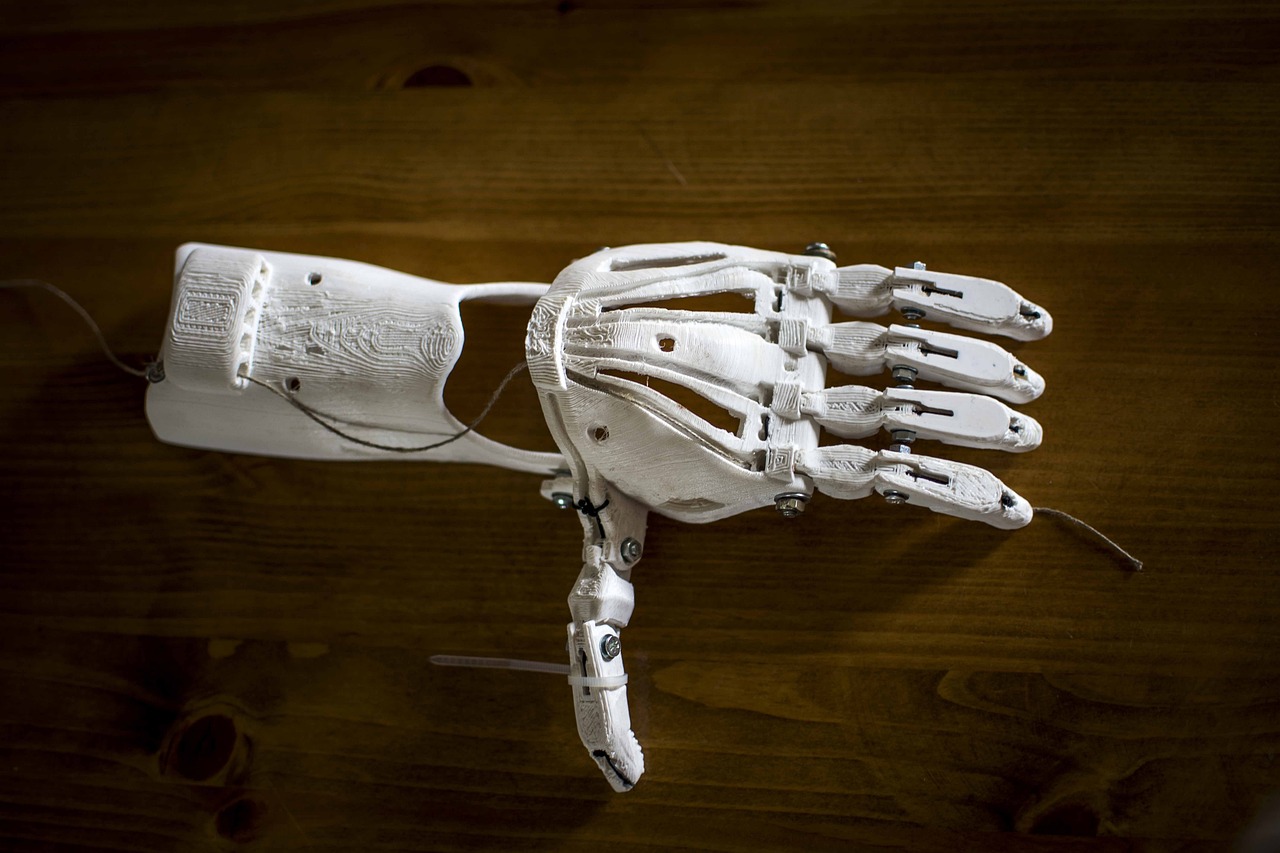
One of the most notable developments is the integration of advanced materials and manufacturing techniques. These advancements have enabled the creation of prosthetics that are stronger, lighter, and more durable than ever before. For example, 3D printing has allowed for the production of customized prosthetics with complex geometries, providing a better fit and increased functionality.
Another significant breakthrough is the development of prosthetic limbs that can be controlled through muscle signals or brain-computer interfaces (BCIs). This technology enables individuals to control their prosthetics with greater precision and dexterity, allowing them to perform everyday tasks with ease. For instance, the DEKA Arm System, a prosthetic arm controlled by muscle signals, has enabled individuals to regain independence in daily activities.
Advancements in Prosthetic Materials
The development of advanced materials has also played a crucial role in prosthetic advancements. New materials like nanomaterials, graphene, and shape-memory alloys have improved the strength-to-weight ratio of prosthetics, making them more comfortable to wear and use. For instance, researchers have developed a prosthetic socket made from a novel composite material that provides better shock absorption and reduces stress on the residual limb.
Prosthetic Systems for Specific Needs
In recent years, there has been a focus on developing prosthetic systems tailored to specific needs. For example, prosthetics designed for individuals with upper-limb loss have improved significantly, enabling greater dexterity and control. Similarly, prosthetics for lower-limb loss have become more advanced, providing better stability and mobility.
The Future of Prosthetics
As technology continues to evolve, we can expect even more significant advancements in the field of prosthetics. Researchers are exploring new areas like soft robotics, artificial intelligence, and machine learning to further improve prosthetic functionality and control. Additionally, there is a growing focus on creating prosthetics that are more aesthetically pleasing and socially acceptable, addressing the emotional and psychological aspects of limb loss.
In conclusion, the last decade has seen tremendous progress in prosthetic technology, leading to improved functionality, aesthetics, and overall quality of life for individuals with limb loss. As research continues to advance, we can expect even more exciting developments that will revolutionize the field of prosthetics and enhance the lives of those affected by limb loss.